By Paul Schick
October 29, 2026
A commercial roofing project involves more than installing new materials or repairing visible damage. Business owners need to understand the condition of their roofs, the work required to address existing problems, and the steps professionals take to protect their properties. Knowing what to expect before hiring a roofing team can make the process easier to manage.
Experienced commercial roofing contractors help property owners evaluate their roofing systems, compare practical solutions, and plan projects around their operational needs. Whether a building requires routine maintenance, emergency repairs, or complete roof replacement, understanding each stage of the process helps business owners prepare for the work ahead.
Evaluating Roof Conditions and Planning Projects
Conducting a Detailed Assessment of Existing Roof Conditions
The first step in most commercial roofing projects is a comprehensive inspection. Contractors examine the roof's surface, drainage systems, flashing, seams, and other components to identify visible damage and potential weaknesses. They may also assess interior areas for water stains, moisture intrusion, or other signs that roofing problems have affected the building.
This assessment helps establish whether the roof needs repairs, more extensive restoration, or a complete replacement. For example, a small leak near a roof penetration may require localized repairs, while widespread membrane deterioration could indicate that a larger project is necessary. Commercial roofing contractors use their findings to recommend solutions that address the underlying issues rather than simply treating the symptoms.
Identifying Maintenance Needs and Potential Risks
Inspections also help identify problems that may not yet have caused noticeable damage inside the building. Loose flashing, deteriorating sealants, blocked drains, and areas of standing water can compromise roof performance if left unaddressed. Identifying these conditions early allows business owners to plan corrective work before minor concerns become more disruptive.
Regular inspections are an important part of this process. According to GAF, commercial roofing systems should be inspected at least twice per year, ideally during the spring and fall. These seasonal evaluations help identify damage following winter weather and prepare the roof for changing conditions. Contractors can use inspection findings to recommend maintenance priorities and help property owners establish a practical schedule for future evaluations.
Reviewing Estimates and Project Timelines
After evaluating the roof, commercial roofing contractors typically prepare an estimate outlining the recommended work, anticipated costs, materials, and expected project duration. Depending on the property's condition and the complexity of the proposed work, the estimate may distinguish between immediate repairs and improvements that can be scheduled later. This information helps business owners understand the scope of the investment before authorizing the project.
A detailed estimate also creates an opportunity to discuss scheduling, access requirements, and potential disruptions. Business owners should ask questions about any unfamiliar recommendations and clarify which services are included in the proposed price. Commercial roofing contractors should explain their findings in understandable terms, helping property owners compare available options and make decisions based on the building's needs, budget, and long-term plans.
Selecting Roofing Systems and Managing Installation
Comparing Different Commercial Roofing Materials
Commercial buildings have different roofing requirements depending on their size, structure, intended use, and exposure to weather. A warehouse may require different performance characteristics from an office building or retail property. Contractors consider these factors when recommending roofing materials and systems that suit the facility's design and operating conditions.
Common options include ethylene propylene diene monomer (EPDM), polyvinyl chloride (PVC), metal roofing, and built-up roofing systems. Each option has distinct characteristics related to durability, installation requirements, maintenance, and cost. Commercial roofing contractors can explain these differences and help business owners select a system that aligns with their priorities instead of relying on a single solution for every building.
Understanding Installation and Replacement Procedures
When a roof requires replacement, the project may involve removing existing materials, inspecting the underlying structure, addressing damaged areas, and installing the new roofing system. The precise procedure depends on the existing roof, the selected materials, and applicable building requirements. Contractors should explain whether a complete tear-off is necessary and identify any anticipated complications before work begins.
For new construction, installation typically involves coordinating with other construction professionals to ensure the roofing system fits the building's design. Commercial roofing contractors must pay close attention to seams, flashing, penetrations, drainage, and transitions between roofing components. Proper execution of these details helps reduce the risk of leaks and premature deterioration. Business owners should also understand how the selected materials will be installed and what preparation the property requires before the crew arrives.
Coordinating Roofing Work and Maintaining Long-Term Performance
Scheduling Projects Around Business Operations
Commercial roofing projects can affect parking areas, entrances, deliveries, and normal building activities. Before work begins, contractors should discuss how crews will access the property, where materials and equipment will be placed, and whether particular areas need to remain clear. This planning is especially important for businesses that serve customers on-site, manage inventory, or operate during standard construction hours.
Scheduling can also influence how a project progresses. Weather conditions, material availability, and the extent of existing damage may affect the original timeline. Business owners should receive updates when circumstances change and understand which activities may temporarily restrict access to parts of the property. Clear communication helps management coordinate employees, notify customers when necessary, and maintain essential operations throughout the project.
Following Safety Standards and Protecting Property
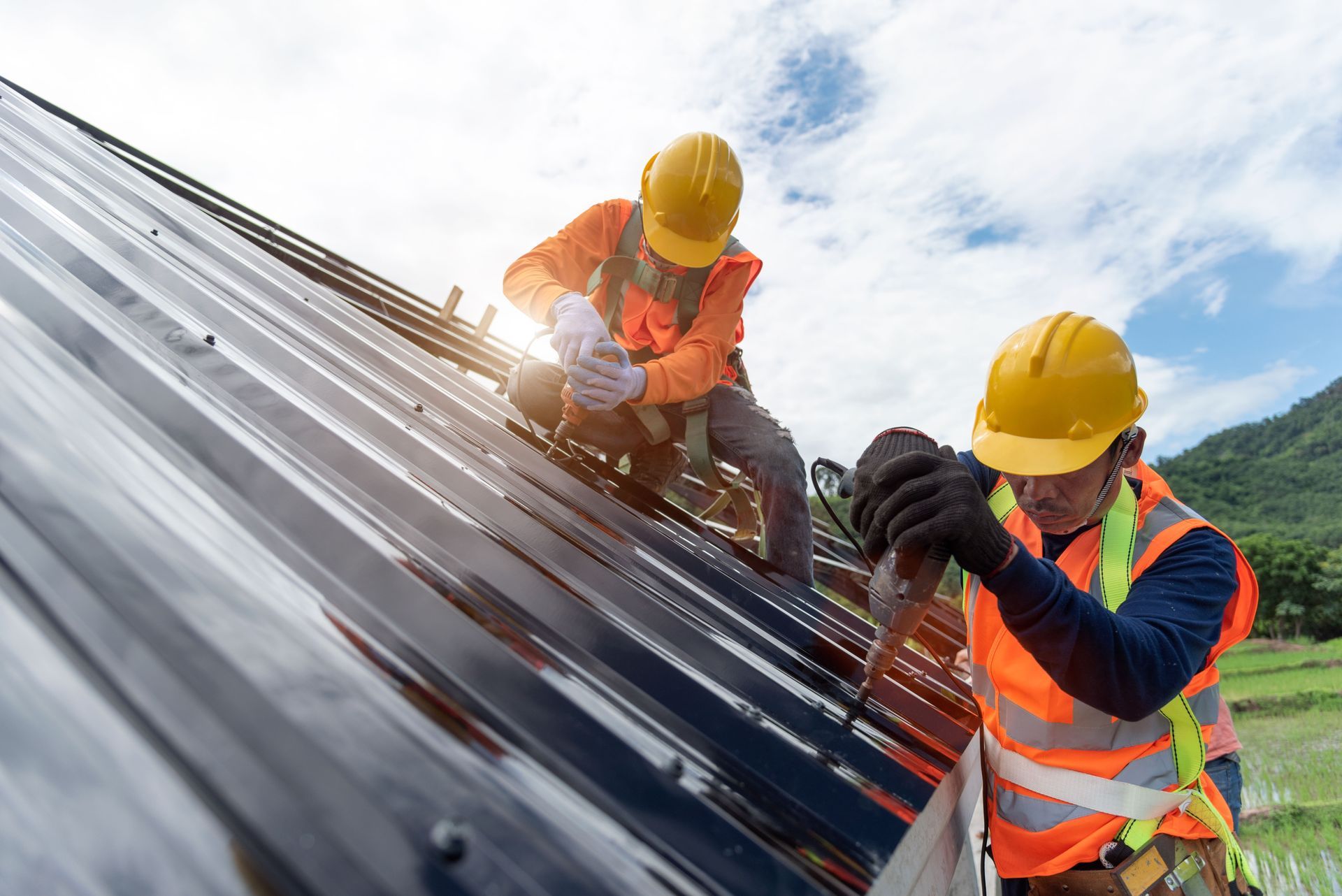
Roofing work involves potential hazards, including falls, heavy materials, equipment movement, and changing weather conditions. Professional contractors must account for these risks when organizing their crews and planning the work area. Appropriate safety procedures help protect workers while reducing hazards for employees, customers, tenants, and other people using the property.
Protecting the building itself is equally important. Contractors should take reasonable precautions to prevent roofing debris from damaging surrounding areas and to limit the exposure of the building's interior during material removal. Temporary weather protection may be necessary when sections of the existing roof are opened. Business owners can ask how the crew will secure the work area, manage debris, and respond if unexpected weather threatens an active project.
Reviewing Warranties and Establishing Maintenance Plans
Once the roofing work is complete, business owners should understand what was installed, what repairs were performed, and how to maintain the system. Contractors may provide project documentation, maintenance recommendations, and information about applicable manufacturer warranties. These records can help property managers track the roof's condition and understand which requirements must be followed to preserve warranty coverage.
It is also important to distinguish between product warranties and workmanship coverage. Manufacturer warranties generally address specified product-related issues under stated conditions, while workmanship coverage concerns installation-related problems according to the terms of the agreement. Business owners should review the applicable documents, including exclusions and maintenance obligations, rather than assuming every potential repair will be covered.
Ongoing maintenance helps property owners identify deterioration before it causes significant damage. Periodic inspections, drainage checks, and prompt attention to minor leaks can support the roof's continued performance. Establishing a maintenance plan with a qualified contractor also gives businesses a clearer picture of developing repair needs and helps them budget for future roofing expenses.
Hiring a commercial roofing professional gives business owners access to specialized knowledge for evaluating roof conditions, selecting appropriate materials, completing repairs, and planning replacements. Understanding the inspection process, project requirements, communication expectations, and warranty terms makes it easier to manage each stage of the work.
By choosing experienced commercial roofing contractors who provide clear recommendations and follow through on agreed-upon services, business owners can address roofing concerns more effectively. Regular maintenance and timely repairs also help protect the building, limit operational disruptions, and support the long-term performance of the roofing system. For reliable roofing solutions tailored to your business, contact Newton Crane Roofing, Inc to schedule an inspection and receive an estimate.